A Guide to Auto Electronics Exhibitions in China for Buyers
Industry news
2026-06-27
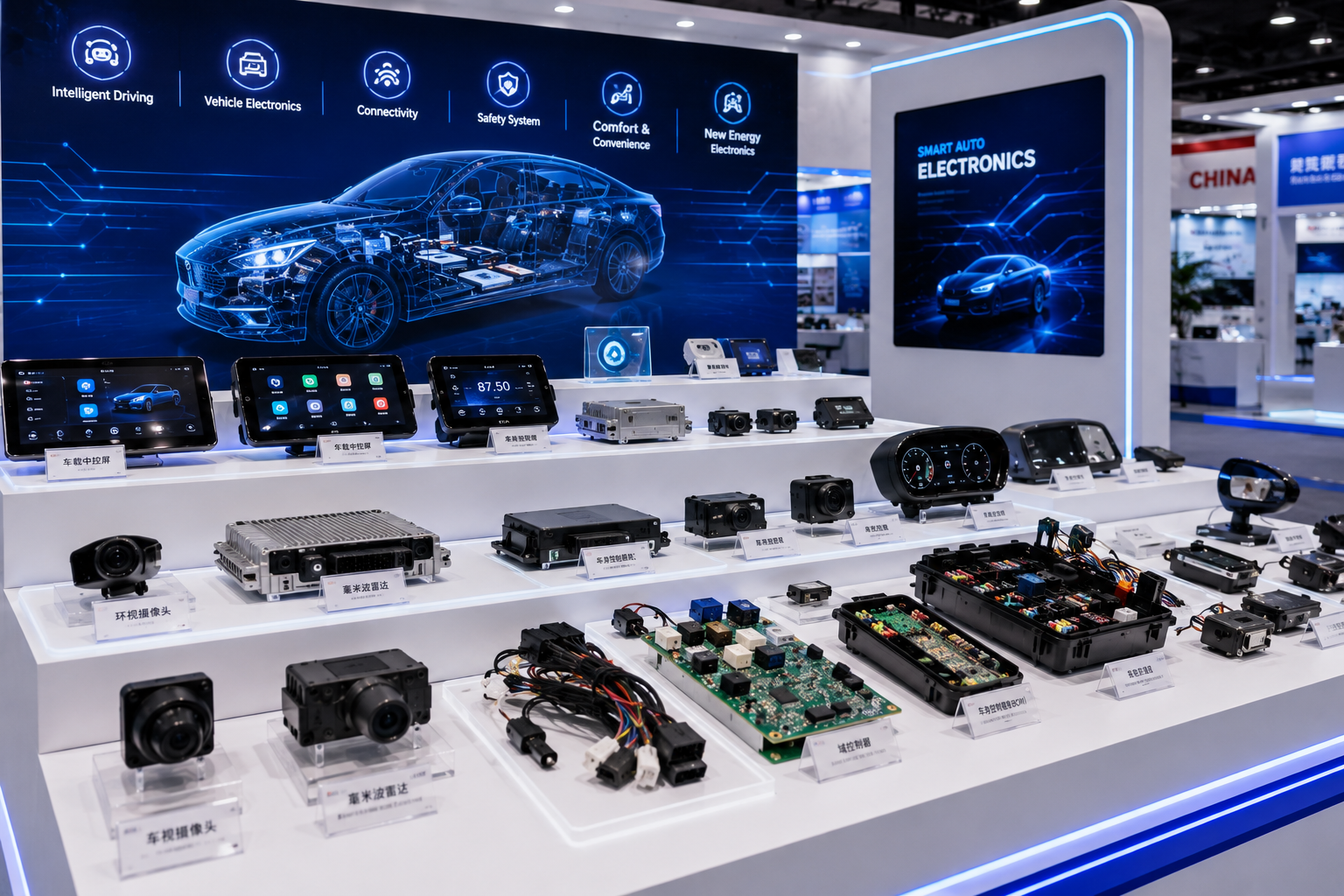
An auto electronics exhibition in China is not just a showcase, it is a procurement shortcut. For international buyers, it is the most direct path to factory pricing, new technologies, and long-term partnerships with China’s leading manufacturers. I have spent over a decade organizing these events, and what separates successful buyers from the rest is their ability to leverage the exhibition’s location, particularly in China’s automotive electronics manufacturing clusters. This guide explains how to choose the right show, qualify suppliers, and negotiate factory-direct deals that bypass layers of intermediaries.
Why Clustered Auto Electronics Exhibitions in China Give You an Edge
Auto electronics manufacturing in China is not evenly spread. It concentrates in specific industrial clusters: Wenzhou for automotive switches and sensors, Changzhou for lighting electronics, and the Yangtze River Delta for high-end electronic control units (ECUs). When you attend an exhibition located near these clusters, you are not just visiting booths; you are positioning yourself within walking distance of entire supply chains.
At APES, we structure our show layout to group exhibitors by their home cluster, so a buyer interested in Wenzhou auto electronics can meet five or six manufacturers in a single aisle. This regional concentration means you can verify claims about production capacity by visiting factories the next day, a step that generic exhibitions in non-industrial cities cannot offer.
Choosing the Right Exhibition Format for Your Sourcing Goals
Auto electronics exhibitions in China come in two main formats: large comprehensive shows and specialized cluster-based events. Large shows like Automechanika Shanghai pull in over 100,000 visitors across all automotive segments, but auto electronics can get lost among tires and body parts. Smaller, focused exhibitions centered on a specific manufacturing region often yield better results for electronics buyers because the exhibitor list is curated and the buyer-seller ratio is more favorable.
Here, the format matters as much as the location. Shell scheme booths dominate entry-level shows, giving you a quick scan of available products. Raw space builds at professional exhibitions indicate a manufacturer’s commitment to international trade; they have invested in brand presentation and are typically prepared for high-volume negotiations.
Exhibition Feature
Comprehensive Mega-Show
Cluster-Focused Exhibition
Visitor volume
80,000–120,000
30,000–50,000
Buyer qualification
Mixed, many casual visitors
Higher percentage of serious buyers
Auto electronics density
Low, spread across halls
High, clustered in dedicated zones
Factory visit potential
Limited, venues often far from clusters
High, factories often within 1–2 hours
Price negotiation leverage
Weaker, many intermediaries
Stronger, more factory-direct exhibitors
If your primary goal is to establish long-term supply relationships for auto electronics, a cluster-focused exhibition delivers a higher return on your travel investment.
How to Identify and Vet Factory-Direct Suppliers
Walking through an auto electronics exhibition, you will encounter three types of exhibitors: trading companies, authorized distributors, and factory-direct manufacturers. Telling them apart is a skill that saves you margins of 15 to 30 percent.
Trading companies often use vague language like “specialist in automotive electronics” without naming specific production capabilities. Factory-direct exhibitors will show you production line photos, quality certifications (IATF 16949, ISO 14001), and real-time defect rate data. They can also review your technical drawings during the conversation and offer immediate feedback on feasibility.
I always recommend buyers ask one question: “Can I see your SMT line scheduling calendar?” A genuine manufacturer manages production schedules and can show you queue times; a trader will deflect. This single question has saved our visiting buyers countless hours.
If your program involves custom ECUs or wiring harness assemblies with tight tolerances, our team can arrange pre-verified exhibitor lists for your visit. Contact us at apeschina@huamogroup.com with your specifications.
Negotiating Direct Pricing and MOQ at the Show
Exhibition-floor negotiation is different from Alibaba messaging. The manufacturer knows you are comparing multiple suppliers in one day, which gives you leverage. But they also know serious buyers are willing to walk away.
Start by understanding the cost structure. For an auto electronics component like a window switch module, the factory price typically breaks down into materials (40-50%), labor (15-20%), and overhead (10-15%), with the remainder as margin. When you discuss quantities, be precise. A request for 5,000 units with a 12-month delivery schedule gets a very different response than “we need thousands.”
I have seen buyers negotiate MOQs down from 5,000 to 2,000 units by agreeing to pay for tooling upfront and committing to a second order within six months. The key is to offer something beyond volume: schedule commitment, faster payment terms, or a multi-year forecast. These commitments matter to factory managers who need to plan production lines months in advance.
Turning a Trade Show Visit into a Reliable Supply Chain
The exhibition is the start, not the endpoint. After the show, send a follow-up email within 48 hours that references a specific conversation point, such as a technical detail or a pricing structure you discussed. This signals that you are a professional buyer, not a tourist.
Schedule factory visits for the week following the exhibition. Walk the production floor, check their testing equipment, and verify their claimed daily output. One of the most telling indicators is how the factory handles non-conformance: ask to see their corrective action reports from the past quarter. A factory that openly shares its defect records is a factory that has nothing to hide.
For long-term supply chain stability, consider working with an exhibition organizer that offers year-round matchmaking. At APES, we maintain a database of over 3,500 verified auto electronics manufacturers and can connect you with suppliers outside of show dates, ensuring your pipeline remains full even when trade shows are not running.
What Procurement Teams Should Know About Auto Electronics Exhibitions in China
What is the best auto electronics exhibition in China for international buyers?
The best exhibition depends on your product focus. For general auto electronics, the cluster-focused APES Auto Parts Expo in Shanghai brings together manufacturers from Wenzhou, Changzhou, and the Yangtze River Delta under one roof. For aftermarket electronics specifically, CAPAFAIR in Ningbo is an alternative. If you need the broadest scope, Automechanika Shanghai includes auto electronics among many other categories. I recommend starting with a cluster-based show because it reduces travel time and increases factory access.
How much does a booth cost at an auto electronics exhibition in China?
Many first-time exhibitors assume a booth at an auto electronics show in China will cost $10,000 or more. In reality, a standard shell scheme booth of 9 square meters at a mid-sized exhibition typically costs between $3,000 and $6,000, depending on location and hall. Raw space starts around $300 per square meter. Larger exhibitions in Shanghai can cost 20 to 30 percent more. For international exhibitors, early-bird discounts are common, and certain regional governments offer subsidies for priority industrial clusters, including Wenzhou’s automotive electronics sector.
Can I really buy at factory prices at a China auto electronics show?
Yes, if the exhibitor is a manufacturer and not a trading intermediary. Factory-direct exhibitors are common at cluster-based shows, where the exhibiting company owns the production facility you can visit. Even then, factory pricing still depends on volume and payment terms. A one-time order of 500 sensors will not get the same per-unit price as a quarterly order of 5,000. But buying at a show typically saves you 15 to 30 percent compared to sourcing through an online platform, because you remove the platform commission and the commission-based trader markup.
What documentation should I bring as an international buyer?
Bring your company business license, a list of target part numbers with specifications, and a letter of invitation if you need a visa. A technical drawing package is even more useful because it allows manufacturer engineers to evaluate feasibility on the spot. Also bring a contract template and your preferred payment terms, because serious discussions often lead directly to draft orders. Many buyers also carry a small set of competitor samples for quality benchmarking.
How do I get a China visa for an auto electronics exhibition?
The exhibition organizer typically issues an official invitation letter once you register as a visitor. Submit this letter with your visa application at your local Chinese embassy or visa center, along with your passport, completed application form, and a recent photo. Processing takes 4 to 10 business days on average. For Southeast Asian buyers, the process is often faster due to reciprocal visa facilitation agreements. If your specific component category or sourcing volume still feels uncertain after reading this, share your requirements with us at apeschina@huamogroup.com or call +021-60280788 and we will confirm which exhibition dates and verified exhibitor lists match your product type.
If you’re interested, check out these related articles: