Automotive Sensor Supplier Trade Show China: Why Exhibit?
Industry news
2026-06-28
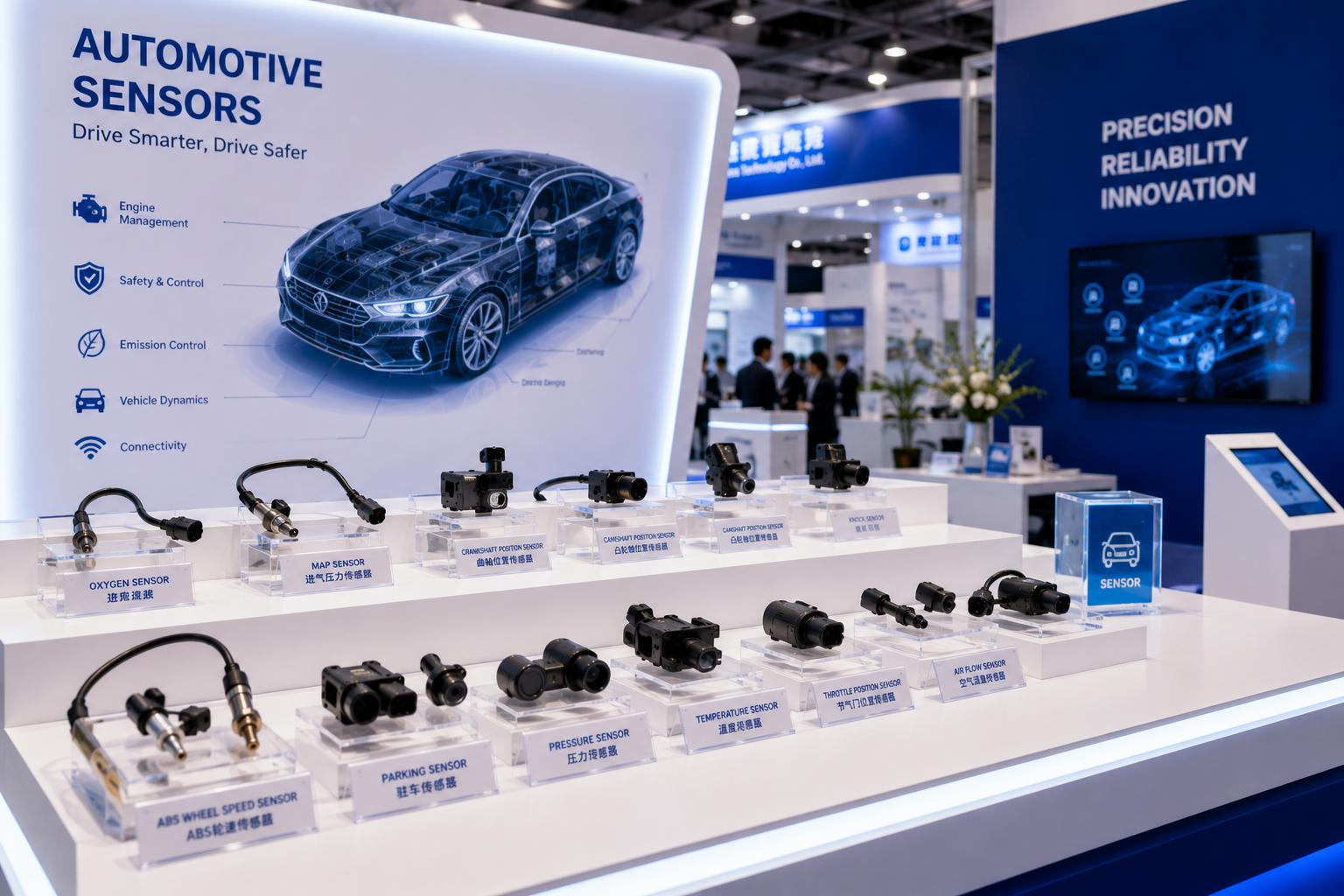
Most automotive sensor suppliers rely on inbound inquiries and digital catalog visibility to reach overseas buyers. That approach works until a procurement engineer needs to validate a sensor’s signal linearity in person or compare five competing designs side by side. An automotive sensor supplier trade show in China puts your product in front of more than 35,000 global buyers from over 100 countries, not as a PDF, but as a physical component they can test on the spot. As an exhibition organizer with over a decade in industrial trade fairs, I have seen sensor suppliers leave a single event with qualified leads that closed faster than two years of digital outreach. Exhibiting is not just about brand visibility; it is the most direct path to orders from international OEMs and tier-1 buyers who demand proof, not promises.
The Difference a Dedicated Sensor Show Makes
At the largest general auto parts fairs, sensor booths are scattered among millions of passing body panels, brake pads, and rubber seals. A buyer looking specifically for a pressure sensor or an ADAS camera module must filter a huge floor plan before finding a handful of relevant exhibitors. A targeted automotive sensor supplier show changes the dynamic entirely. Every attendee walking the hall has sensor procurement on their agenda. That means every conversation starts deeper: tolerances, output protocols, temperature drift, material compatibility. The lead quality difference is measurable. We consistently see exhibitor-to-buyer meeting ratios improve by a factor of three or more compared to broad-spectrum expos.
In a dedicated sensor environment, your booth becomes a destination for engineering teams who arrive with a specification sheet in one hand and a test procedure in the other. More than a third of the registered buyers at our last sensor-focused session reported that they attend specifically to shortlist suppliers for ongoing programs. They are not browsing. They are buying.
China’s sensor manufacturing ecosystem is not a single location. It is a networked landscape where Zhejiang, Guangdong, and Jiangsu provinces collectively house thousands of specialized component makers. Companies rooted in these clusters benefit from shortened lead times on raw wafers and MEMS elements, co-located test houses, and packaging partners that can turn engineering samples into production-ready units within weeks. Exhibiting at a Chinese sensor trade show puts overseas buyers inside that ecosystem without the weeks of travel and factory visits that vetting individual suppliers normally requires.
The cluster effect also streamlines post-show follow-up. When a buyer requests dimensional changes or alternative connector pinouts, suppliers who exhibit often can walk the engineer next door to their R&D lab the same week. This operational velocity is unmatched by purely digital sourcing channels.
Steps to Prepare Your Booth for an Automotive Sensor Show
A sensor booth succeeds or fails weeks before the doors open. The following steps are what we recommend based on exhibitor debriefs across multiple events.
Step
What to Do
Why It Matters
1. Define your lead magnet
Select one physical product and one demo rig for live signal output
Buyers remember what they can interact with; static displays get walked past
2. Prepare technical collateral
Print spec sheets in English, German, and a buyer-targeted third language
Engineers carry datasheets back to design reviews; a well-organized sheet earns second looks
3. Pre-schedule meetings
Use the organizer’s matchmaking portal to lock in eight to ten appointments
Pre-scheduled meetings account for the majority of qualified leads per exhibitor
4. Train booth staff on discovery
Run a half-day session on uncovering application requirements in the first 90 seconds
A rushed pitch loses opportunities; a targeted discovery question opens design-in discussions
5. Plan after-hours engagement
Reserve a restaurant private room for hosting five to seven key accounts
Many of the most consequential program discussions happen over dinner, not inside the hall
If your sensor product operates in safety-critical applications like active chassis or EV battery management, it is worth confirming compliance documentation readiness before you print your booth graphics. One missing ISO 26262 test report can stall a promising lead. Reach out to our team at apeschina@huamogroup.com if you would like a pre-show compliance checklist.
Understanding the Buyer Mix at an Automotive Sensor Show
The buyer composition at a Chinese automotive sensor trade show differs sharply from a domestic event. It is common to see procurement directors from Southeast Asian assembly plants next to technical buyers from Middle Eastern aftermarket distributors and scanning the same hall. We track visitor origin data consistently, and three buyer categories routinely dominate the registration list: tier-1 sensor integrators from Germany and Japan seeking capacity partnerships, purchasing managers from Latin American OEMs looking for price-competitive but certified sources, and rapid-growing EV startups from India and East Africa that need sensor suites with minimal development support.
This mix creates a rare commercial environment: a single exhibition floor where suppliers can qualify for both high-volume aftermarket programs and low-volume, high-margin specialty applications in the same week. The overlap in buyer timelines also compresses the opportunity, which is why booth placement and pre-show promotion matter.
Turning Booth Visits into Ongoing Orders
The hour after a handshake at the booth is the most valuable moment in sensor trade show marketing, and it is the moment most exhibitors waste. We recommend every visitor interaction ends with a same-day follow-up email that contains exactly three items: the spec sheet discussed, a personalized note recalling the specific application the buyer described, and a single question that requires a reply. This pattern turns a passive lead into an active conversation before the buyer visits the next competitor.
Beyond immediate follow-up, structure your post-show pipeline around a 72-hour re-engagement window. Back at the office, filter your collected leads into three buckets: design-in opportunities with sample requests that ship within a week, commercial negotiations where price and delivery terms are the only open variables, and long-term prospects that need quarterly touchpoints. This triage prevents the all-too-common scenario where a dozen strong contacts dissolve into a spreadsheet that nobody revisits.
Common Questions from Sensor Suppliers Considering Exhibiting
Is a dedicated sensor trade show worth the investment compared to a general auto parts expo?
Yes, if your primary goal is to meet buyers who already know they need sensors. The cost per qualified lead is typically lower because the booth visitor traffic is pre-filtered by the show’s theme. In our experience, sensor-specific events consistently yield leads that convert faster, especially for suppliers with specialized technologies like LiDAR, ultrasonic, or torque sensing. General shows can supplement brand awareness, but they rarely match the lead depth of a focused sensor environment.
How many buyers at a Chinese sensor show come from outside China?
At recent editions, overseas visitors have represented between 40 and 60 percent of total attendance, depending on the global travel environment. The top originating countries include Germany, Japan, South Korea, Turkey, Mexico, and increasingly buyers from East Africa and Southeast Asia. This international mix is a direct result of the exhibition’s alignment with major sourcing seasons. If your export strategy targets specific regions, we can provide region-specific buyer data before you book.
What booth size works best for a sensor company exhibiting for the first time?
A 9-square-meter shell scheme booth is sufficient to display four to six physical product samples and a small demonstration table. First-time exhibitors should prioritize product interaction density over floor space. A larger raw space build becomes relevant once you have a developed lead database and expect to host multiple simultaneous meetings. Share your expected visitor targets and we will recommend a layout.
How do I handle compliance documentation questions from international buyers on the show floor?
Bring printed copies of your IATF 16949 certificate, any relevant ISO 26262 or CE documentation, and a one-page material compliance summary. Buyers frequently ask for these during initial conversations, and having them instantly accessible builds credibility. If your certification scope covers only specific product lines, mark this clearly on your datasheets to avoid confusion. Reach out for a documentation readiness checklist specific to your product categories, and we will confirm what buyers typically request in your segment.
What happens if I book a booth but cannot travel at the last moment?
We offer a turnkey presence option where our team staffs your booth, displays your samples, and runs scheduled buyer meetings on your behalf, relaying inquiries and sample requests to you in real time. This ensures your investment does not go to waste. If your travel situation changes after booking, contact us at apeschina@huamogroup.com or call +021-60280788, and we will activate the backup plan immediately.
Many sensor suppliers wait until they are fully export-ready to consider a trade show. That sequencing often costs them market windows. The act of exhibiting itself accelerates export readiness because it forces the packaging, documentation, and product collateral discipline that international buyers expect. When you are prepared to test your sensor products against live feedback from global buyers, send your booth requirements to apeschina@huamogroup.com or call +021-60280788. Our team will confirm availability and guide you through a streamlined booking process designed for manufacturers serious about scaling internationally.
If you’re interested, check out these related articles: